
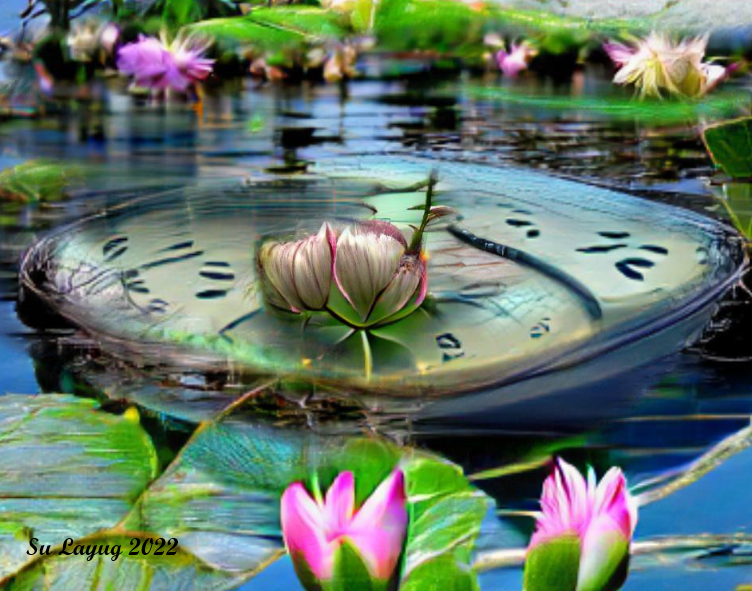
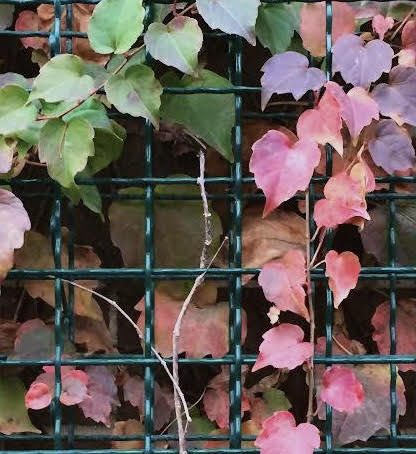
English Haiku written by me, triggered by an AI-assisted image based on my photograph, and translated into Filipino haiku with the same strict 5-7-5 syllabic structure.
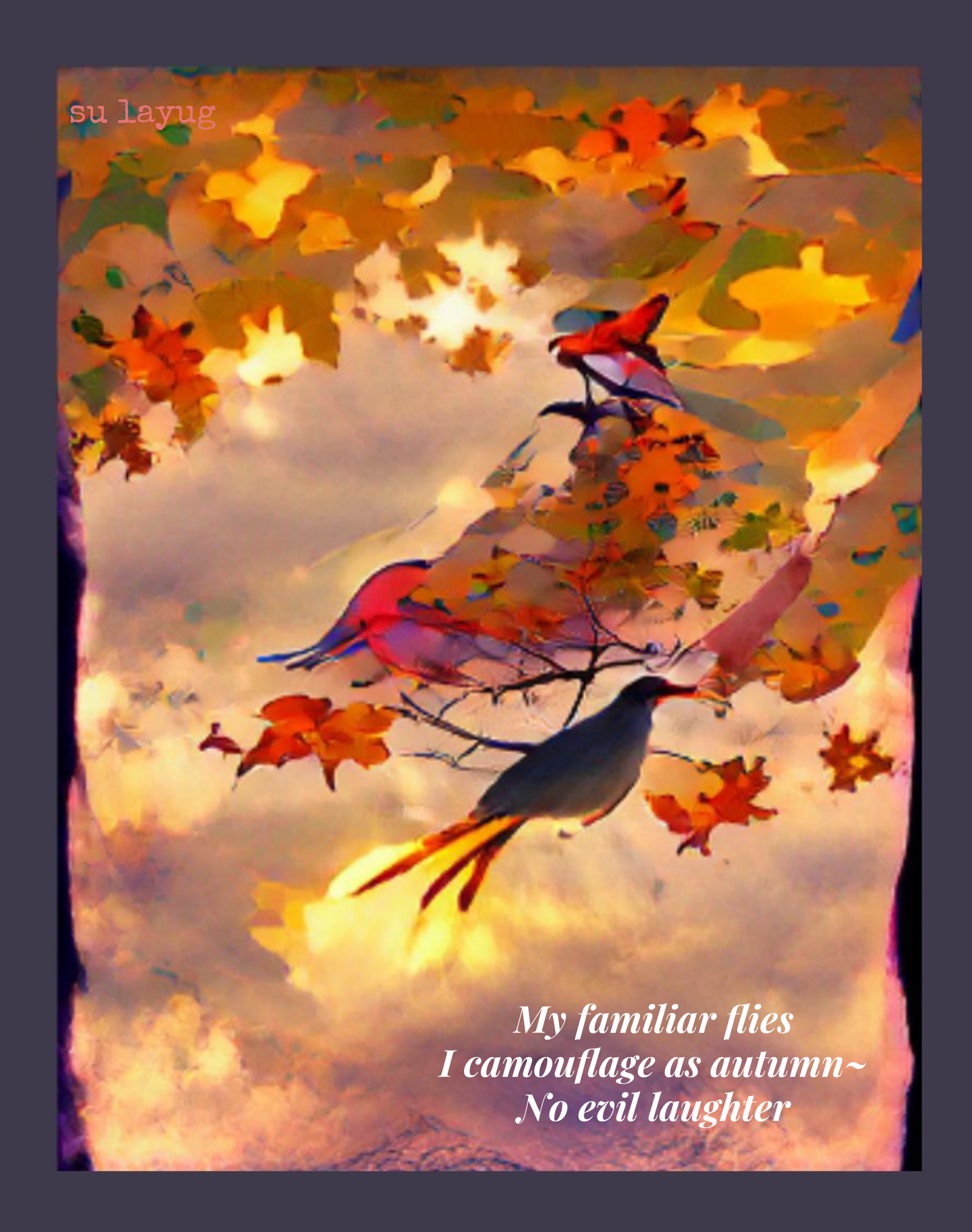
Copyright © 2022 Su Layug on text. May re-post without alteration and with linkback to the original wordpress post.
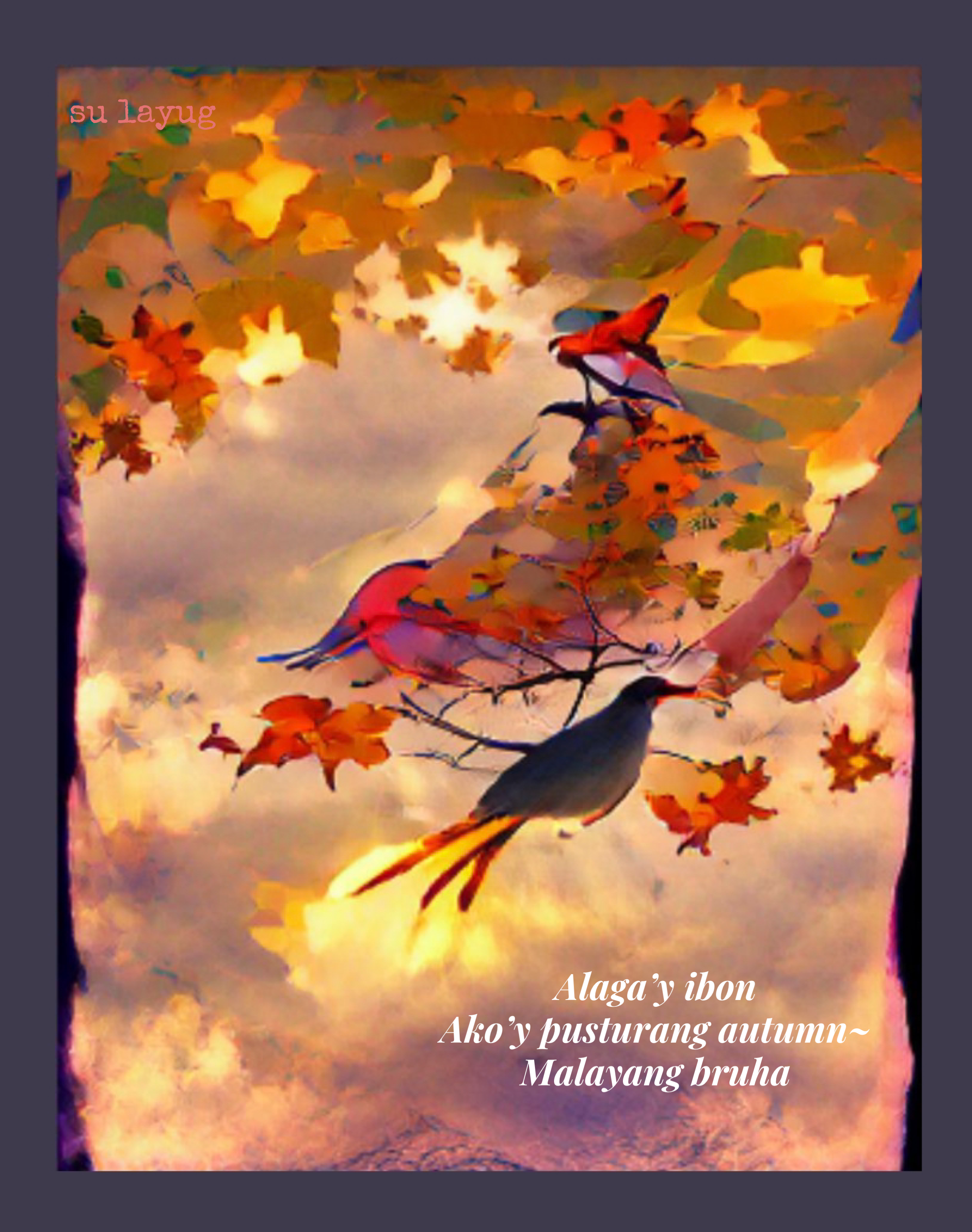
TRANSLATION NOTES:
Translating with a strict syllabic requirement limits the words that can be used. A recent conversation with a reader of one of my translated poems commented that it's like translating a song. But a song has more leeway, I said, because the song translator does not even have to stick to translating the original words.

In this translation, it occurred to me that restricting the poem to the same 5-7-5 syllabic pattern renders it almost impossible to translate the words per se. The closest way to translate it, thus, now comes close to translating a song, becomes "translating its sense." The whole haiku is trying to convey a certain meaning, but each line has to also say its own unit of meaning. The challenge then becomes to make the translated line make sense on its own, while limiting it to the required number of syllables, and still keeping it contributary to the whole sense of the haiku.

To back-translate the Filipino (without making another English haiku):

(my) Pet is a bird
I dress up like autumn ~
Emancipated witch

A poet who writes in Tagalog, who is also a long-time friend, and who wishes to be identified as Pogi, has the following translation, instead:

Aking liparan
Kunwa akong taglagas
Tawang Dalisay

(back-translation)

My mode of flight
I pretend to be autumn
Pristine laughter

What I couldn't satisfactorily achieve (and wanted so much to do) in my own translation -- the use of the word "taglagas" ("autumn," literally "season of shedding") -- falls naturally in Pogi's alternate translation of  "I camouflage as autumn."  But the real delight for me is the surprise reintroduction of "laughter." (which I lost in my translation) in its naturally positive state, "Pristine laughter."

Pogi's translation is intricately intertwined with the imagery, in the sense that the reference to the "witch" is nonverbal and thus, relies on the AI visual to be explicit. On its own, "Aking liparan" - my "mode of flight" extends beyond the visual, and can be construed as a metaphorical flight.


 waterjug